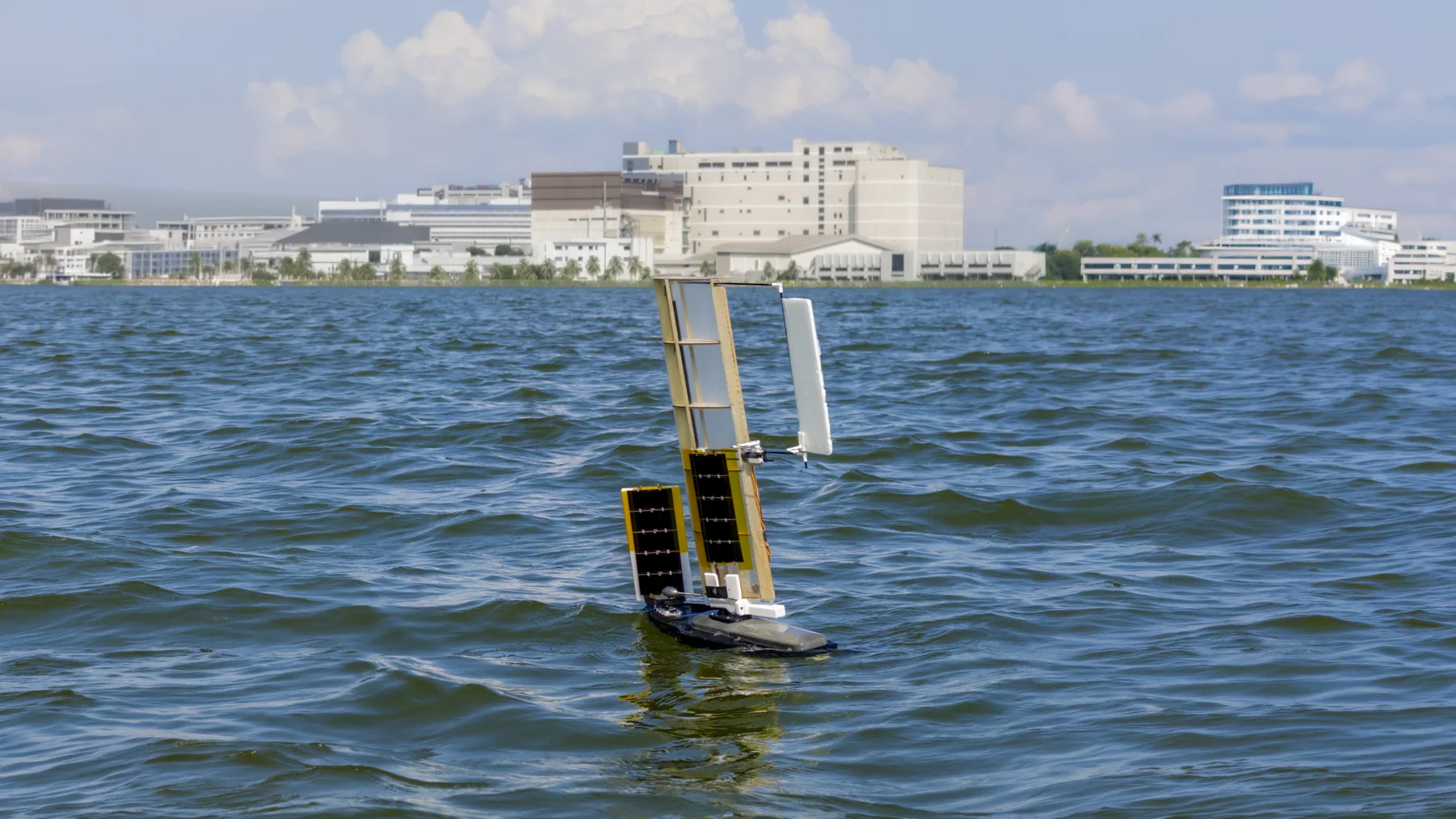
One structure. Two environments.
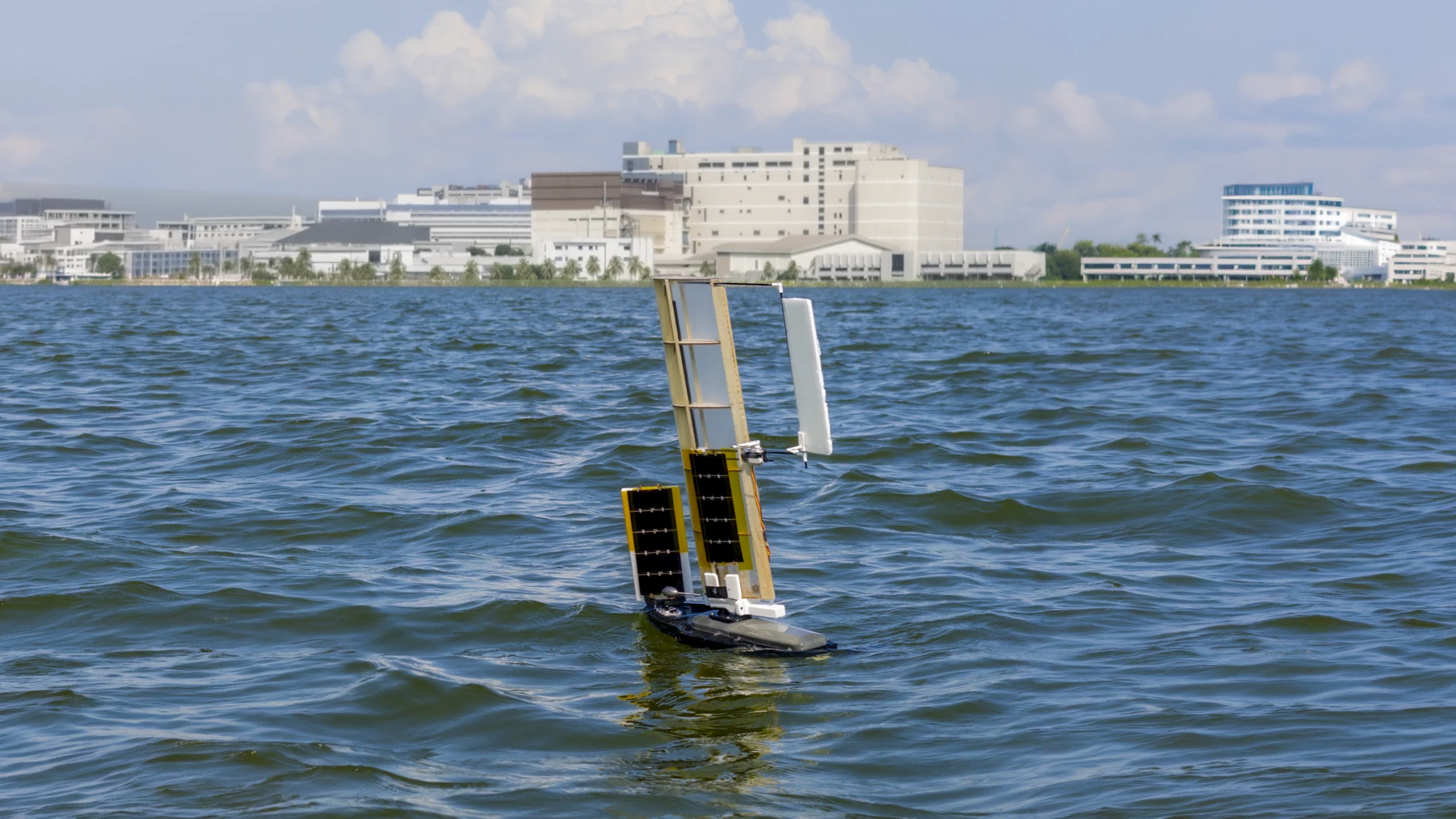
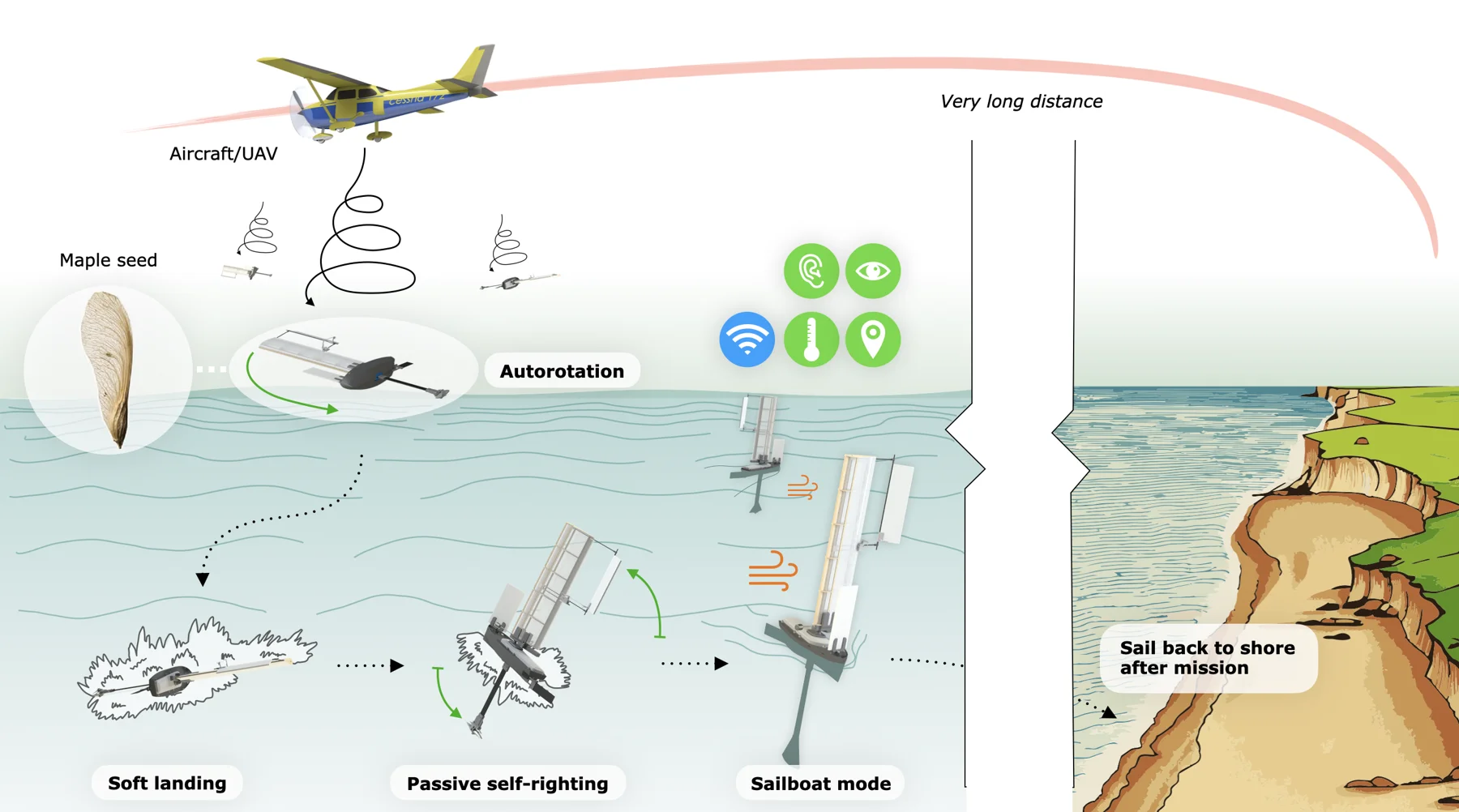
Reaching a remote patch of water can be harder than sensing it. ALBATROSS combines aerial deployment and autonomous sailing in one platform: it descends through autorotation, lands on water, rights itself, and uses the wind to navigate.
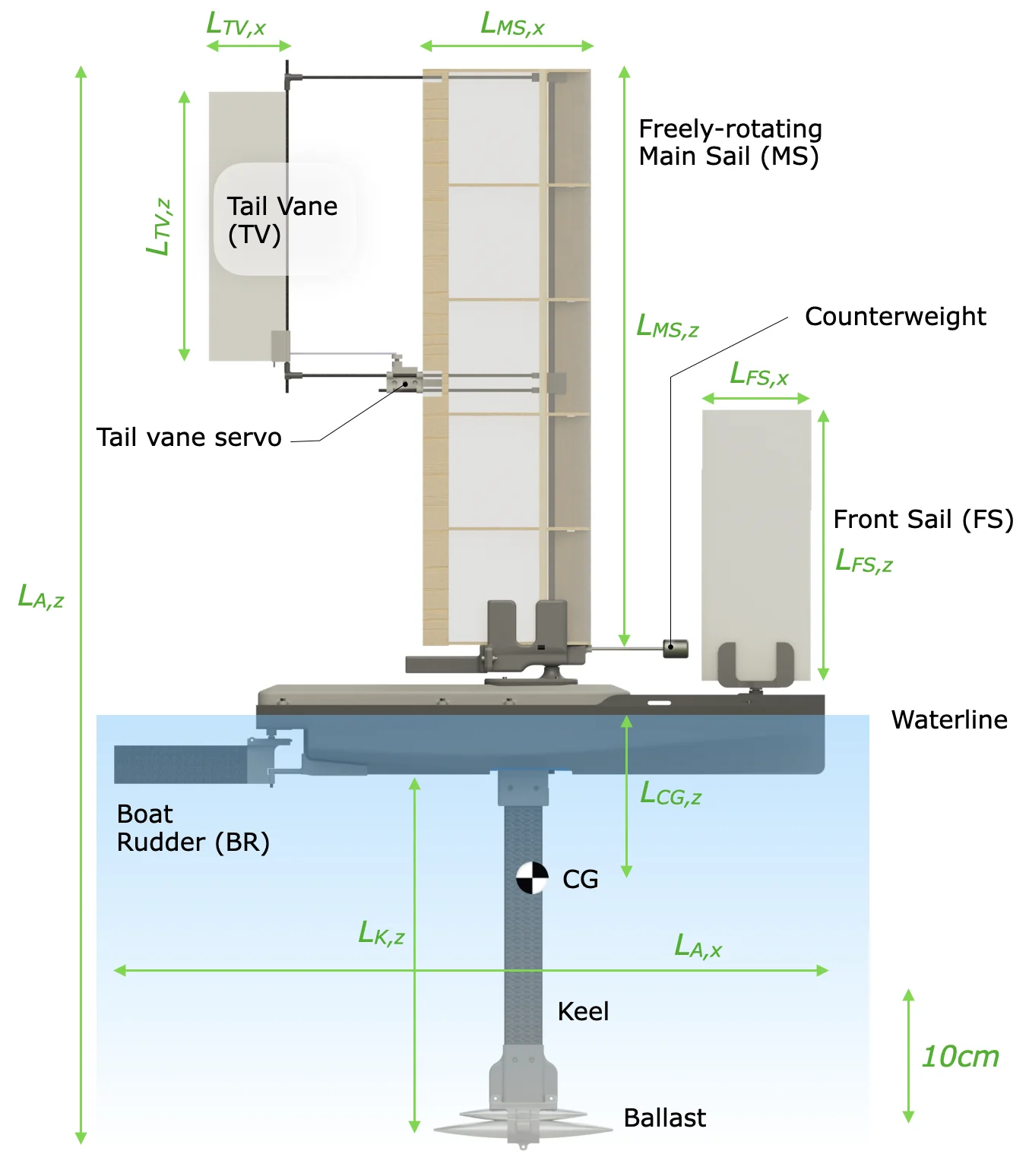
The same rigid wings generate lift during descent and become sails on the water. A low centre of gravity supports passive self-righting, while a fish-inspired oscillating rudder provides additional thrust for low-wind conditions and difficult turns. This shared structure avoids a separate aerial propulsion system or a complex mechanical transformation.
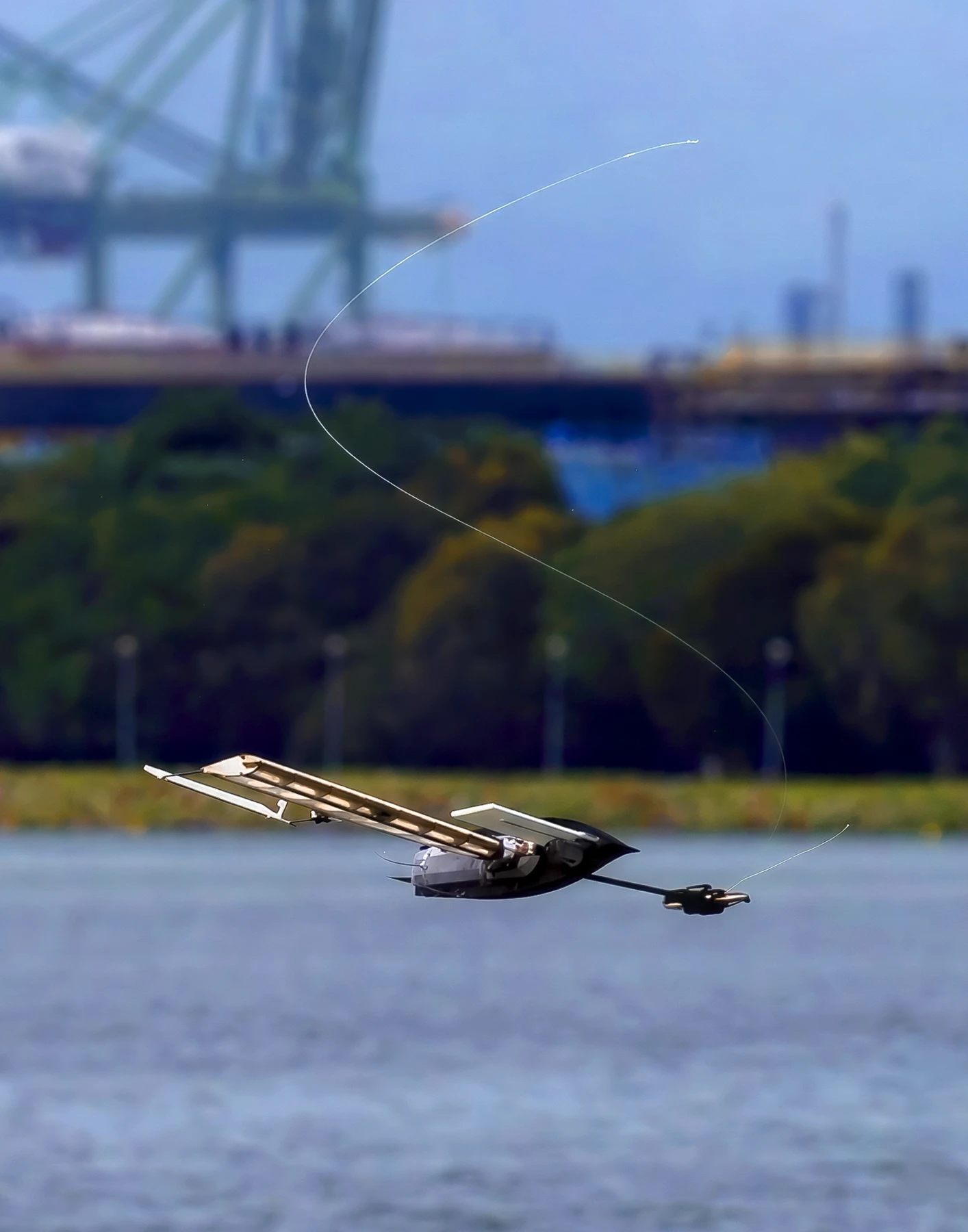
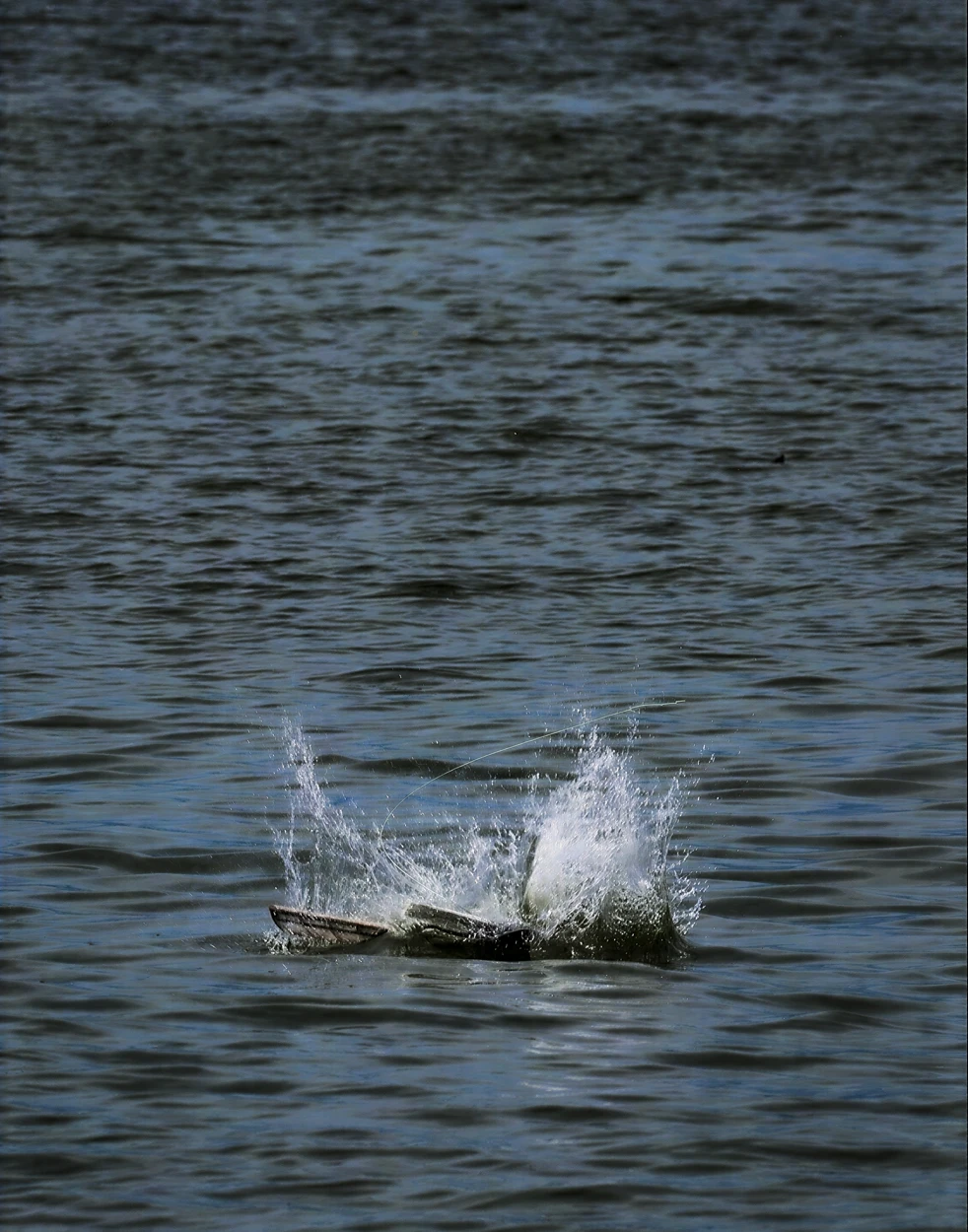
Descend.
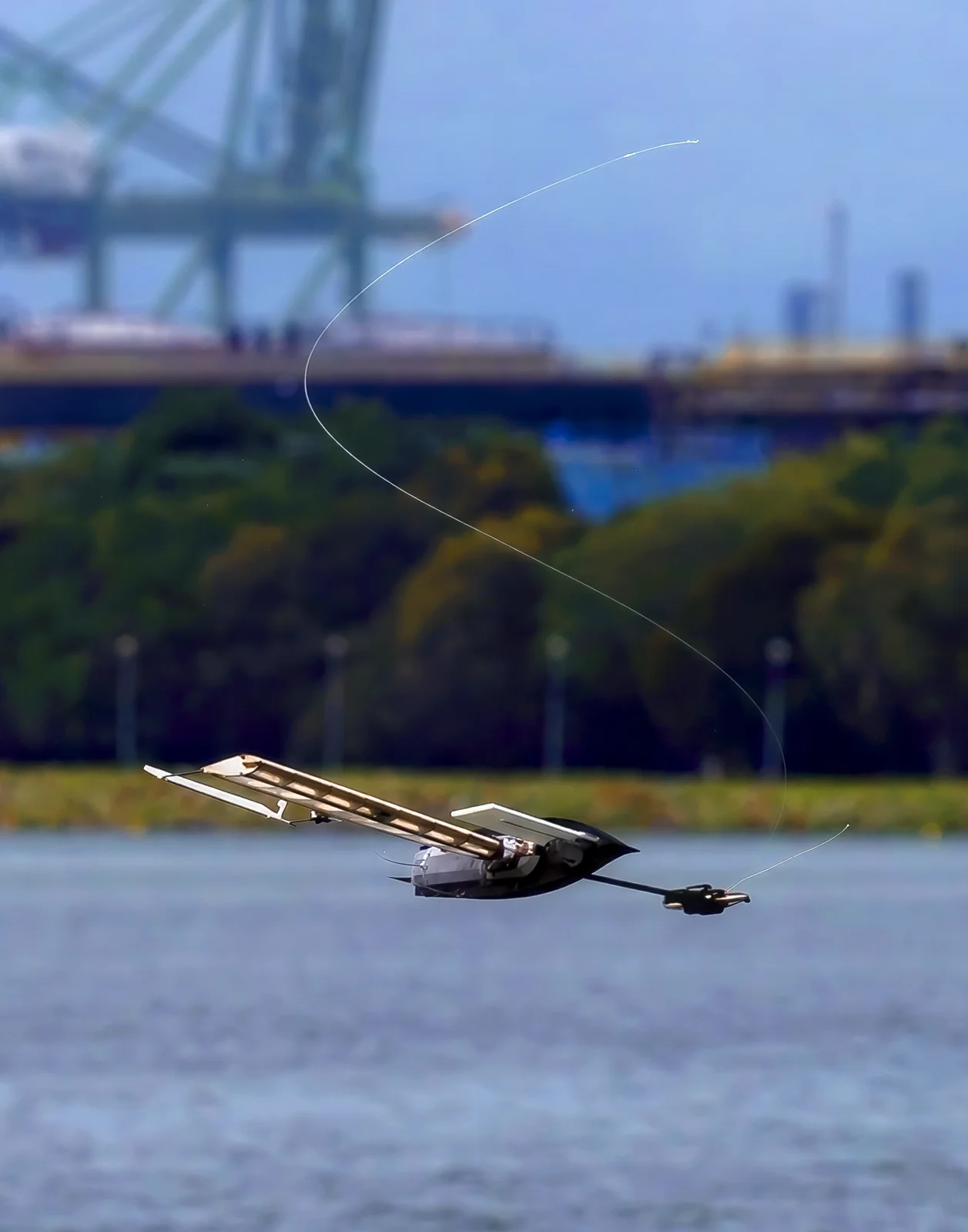
Dual-purpose wings slow the fall through passive autorotation.
Key results
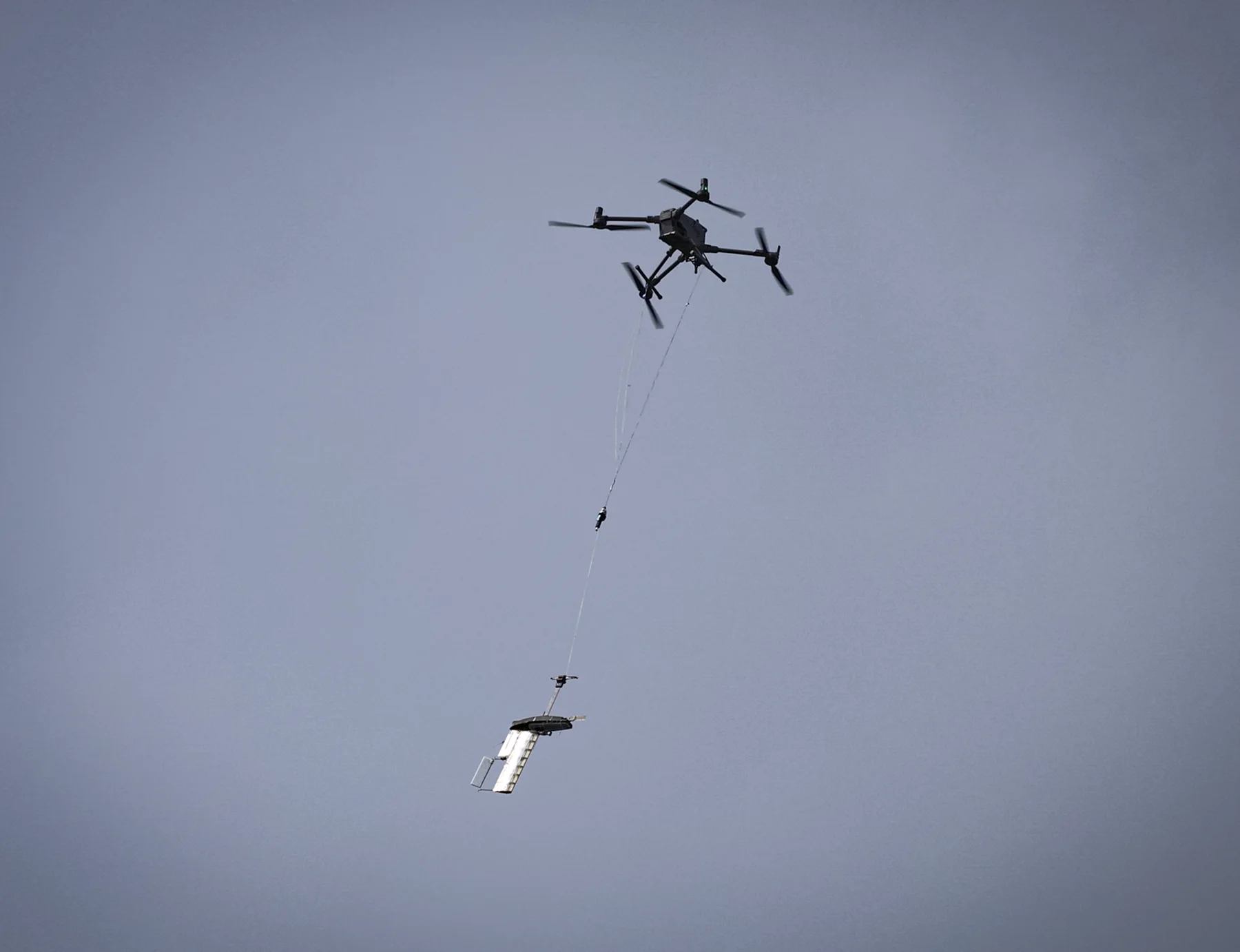
- The smaller S-variant demonstrated release from 150 m, autorotating descent, water landing, and passive self-righting.
- The larger L-variant demonstrated autonomous waypoint sailing, including upwind tacking, with an average power draw of 3.98 W in the reported sailing experiment.
- An approximately three-hour autonomous run collected environmental measurements, including humidity and heat flux.
- A reinforcement-learning controller was explored as a proof of concept; it did not outperform the rule-based controller.
See it in action
Watch on YouTube ↗Project summary, performance figures are based on the supplied ALBATROSS manuscript. Results from the S- and L-variants are distinguished above.